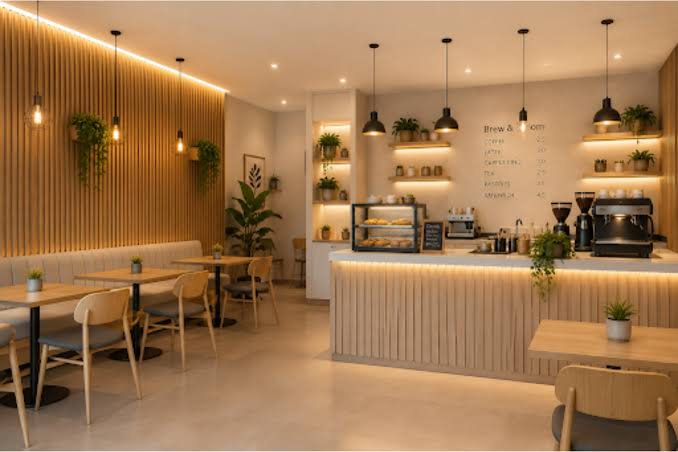
A memorable dining experience involves much more than the food served on the table. The atmosphere, seating arrangement, lighting, cleanliness, and overall presentation all influence how customers feel when visiting a restaurant or coffee shop. A thoughtfully designed space can encourage people to relax, enjoy conversations, and return for future visits.
The Importance of a Comfortable Atmosphere
Customers often choose dining locations based on the experience they expect to receive. Some prefer quiet environments where they can read, work, or have personal conversations, while others enjoy lively spaces with music and social activity.
Creating the right atmosphere begins with understanding the target audience. A location designed for students and remote workers may benefit from comfortable seating, accessible charging points, and reliable internet. A family-oriented establishment may need larger tables and enough space for children.
The overall environment should match the purpose of the business. When customers feel comfortable, they are more likely to spend time enjoying their visit.
Lighting Can Change the Entire Environment
Lighting has a significant effect on how an interior space looks and feels. Bright lighting can create an energetic atmosphere, while softer lighting may make a dining area feel more relaxed.
Natural light is particularly valuable during daytime hours. Large windows, glass doors, and carefully positioned seating can make an interior appear more open and inviting.
Artificial lighting should also be selected carefully. Decorative pendant lights, wall fixtures, and table lighting can improve the visual appeal of a space while providing practical illumination.
Choosing Furniture That Supports Customer Comfort
Furniture plays an important role in customer satisfaction. Chairs that look attractive but feel uncomfortable may discourage visitors from staying longer.
Business owners should consider seat height, back support, table dimensions, and available walking space when selecting furniture. A combination of small tables, larger seating arrangements, and comfortable lounge areas can accommodate different customer groups.
The furniture should also be durable and easy to maintain. Dining spaces experience regular use, so materials need to withstand frequent cleaning and everyday wear.
Creating an Attractive Menu Presentation
A well-organized menu helps customers understand available options without feeling overwhelmed. Clear descriptions, readable typography, and logical categories make ordering easier. Lookng for Roanoke cafes, check out Wildflour Café At Towers.
Seasonal selections can add variety and encourage returning customers to try something new. Businesses may also highlight signature beverages, popular meals, or specialty desserts to make their offerings more distinctive.
For cafes, menu presentation can be particularly important because customers may visit for different reasons, including morning coffee, casual meetings, afternoon snacks, or a relaxing break. Offering suitable choices for different occasions can help create a more versatile customer experience.
Maintaining Cleanliness and Organization
Cleanliness is one of the most important elements of any food-related business. Customers notice the condition of tables, floors, restrooms, serving counters, and other visible areas.
Establishing regular cleaning schedules helps maintain a consistent standard throughout the day. Staff should promptly clear used dishes, clean spills, and keep service areas organized.
Food preparation areas also require proper hygiene procedures. Employees should follow food safety guidelines, maintain suitable storage temperatures, and handle ingredients responsibly.
Using Decoration to Build a Distinct Identity
Interior decoration gives a business an opportunity to express its personality. Plants, artwork, decorative shelves, wall colors, and carefully selected accessories can make a space recognizable.
However, decoration should support the overall design rather than create unnecessary clutter. A few well-chosen details often produce a stronger impression than filling every available surface.
Some businesses use local artwork, handmade decorations, or natural materials to create a connection with their surrounding community. These elements can help establish a distinctive identity while making the environment feel more personal.
Creating an Experience Customers Want to Repeat
A successful dining environment combines comfort, cleanliness, attractive presentation, and thoughtful service. Every detail contributes to how customers remember their visit. By choosing suitable furniture, maintaining a welcoming atmosphere, organizing the menu, and paying attention to cleanliness, business owners can create a space where people enjoy spending time and feel encouraged to return.