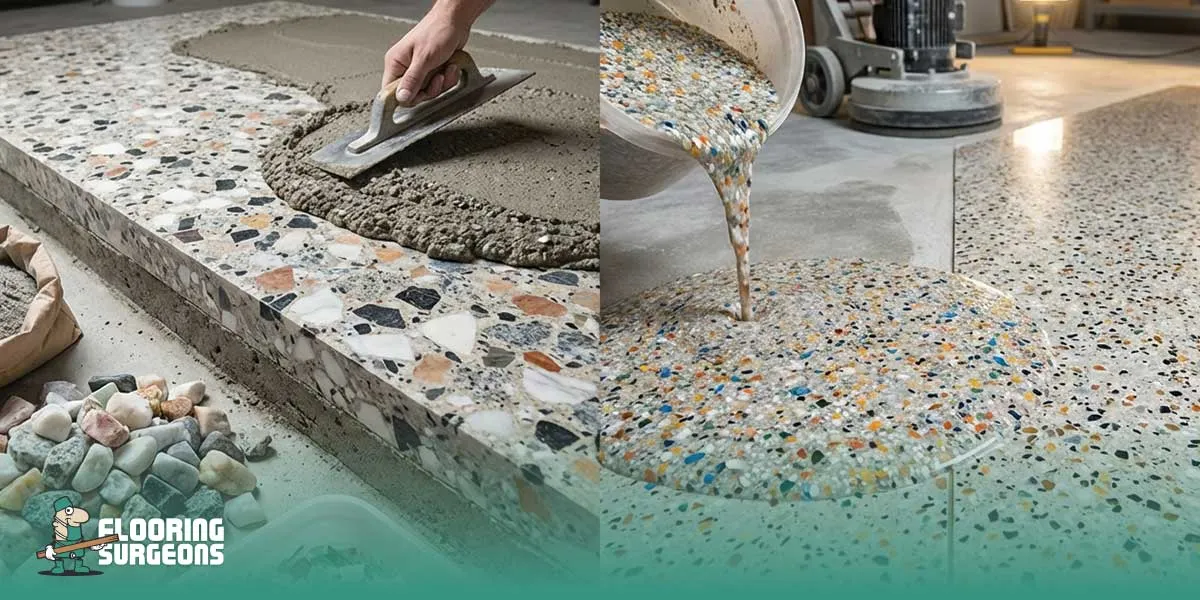
The right flooring can significantly influence the appearance, comfort, and functionality of a home. Floors experience constant daily use, so selecting suitable materials requires more than simply choosing a color or pattern. Homeowners should consider durability, maintenance, room usage, budget, and overall design before making a final decision.
Consider How the Room Will Be Used
Different rooms have different flooring requirements. A kitchen may need a surface that can handle spills and frequent cleaning, while a bedroom may benefit from something warmer and more comfortable underfoot.
High-traffic areas such as hallways and living rooms generally require durable materials that can withstand regular movement. Understanding how each space will be used can make it easier to select a practical option.
Explore Different Material Choices
There are many flooring materials available, including hardwood, laminate, vinyl, tile, carpet, and engineered wood. Each option has its own characteristics, appearance, maintenance requirements, and price range.
Hardwood can provide a timeless appearance, while vinyl and laminate may offer practical alternatives for busy households. Tile is often considered for areas exposed to moisture, whereas carpet can provide warmth and softness in bedrooms and living spaces.
Think About Durability
Flooring is a long-term investment, so durability should be an important consideration. Homes with children, pets, or heavy foot traffic may require materials that are resistant to scratches, stains, and everyday wear.
Before choosing a product, check the manufacturer’s recommendations for expected use and maintenance. A material that performs well in one room may not be the best choice for another.
Pay Attention to Maintenance
Some flooring types require more care than others. Wood surfaces may need special cleaning methods and periodic refinishing, while certain tile and vinyl products can be easier to maintain.
Homeowners should think about how much time they are willing to spend on cleaning and upkeep. Choosing a surface that fits the household’s lifestyle can make long-term maintenance considerably easier.
Match the Overall Interior Design
Flooring has a strong visual impact because it covers a large portion of the room. Color, texture, pattern, and finish should complement walls, furniture, lighting, and other design elements.
Neutral flooring can provide flexibility when decorating, while distinctive patterns or wood tones can become a major feature of the room. It is useful to consider how the material will look under both natural and artificial lighting.
Consider Installation Requirements
Different flooring products have different installation methods. Some materials may be installed directly over existing surfaces, while others require removal of old flooring or additional subfloor preparation.
Before beginning a project, check whether the subfloor is level, dry, and structurally suitable. Professional installation can be especially valuable for materials that require precise measurements and specialized techniques.
Think About Moisture
Moisture can damage certain flooring materials, making room conditions an important consideration. Bathrooms, kitchens, laundry areas, and basements may require products specifically designed to handle higher moisture levels.Central VA Flooring is a flooring store Lynchburg, VA.
Understanding the manufacturer’s moisture guidelines can help prevent premature damage and unnecessary replacement costs.
Set a Realistic Budget
The total project cost includes more than the price of the flooring material. Installation, underlayment, subfloor preparation, removal of old materials, trim, adhesives, and waste can all affect the final expense.
Comparing complete project estimates rather than material prices alone provides a more accurate understanding of affordability.
Professional Installation Can Matter
Even high-quality materials may perform poorly if they are installed incorrectly. Uneven surfaces, visible gaps, poor alignment, and improper sealing can affect both appearance and durability.
Experienced installers can prepare the surface properly, use appropriate techniques, and ensure that the finished result meets the expected standard.
Conclusion
Choosing new flooring is a decision that combines style, durability, maintenance, and practicality. By considering room usage, material options, moisture levels, installation requirements, design preferences, and total costs, homeowners can select surfaces that suit their property and lifestyle. Careful planning and quality installation can help create attractive, comfortable floors that remain useful and appealing for many years.