Maintaining a comfortable indoor environment is important throughout the year. During hot summer days, homeowners rely on air conditioning to keep their living spaces cool, while colder weather makes dependable heating essential. When these systems operate properly, they support comfort, indoor air quality, and everyday convenience. Working with an experienced heating and cooling contractor can help homeowners maintain their equipment, address problems early, and improve overall system performance.
Understanding Heating and Cooling Systems
Heating, ventilation, and air conditioning systems, commonly known as HVAC systems, regulate indoor temperature and help circulate air throughout a building. Depending on the property, equipment may include furnaces, heat pumps, central air conditioners, ductless mini-split systems, thermostats, and ventilation components.
Each system has different operating requirements. A furnace may provide warmth during winter, while an air conditioner removes heat from indoor air during summer. Heat pumps can provide both heating and cooling, making them a practical option for many properties.
Choosing appropriate equipment depends on several factors, including the building’s size, insulation, layout, local climate, and energy requirements. A professional assessment helps determine which system is suitable for the property instead of relying only on advertised capacity or purchase price.
The Importance of Regular HVAC Maintenance
Routine maintenance can help heating and cooling equipment operate more reliably. Over time, filters become clogged with dust, outdoor units collect debris, and mechanical components experience normal wear. If these issues are ignored, the system may work harder than necessary and provide inconsistent temperature control.
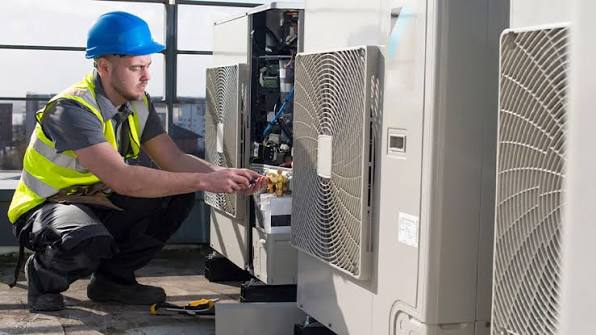
A heating and cooling professional can inspect important components, check system operation, clean appropriate parts, and identify signs of wear. The exact maintenance tasks depend on the equipment type and manufacturer recommendations.
Homeowners can also contribute to system performance by checking air filters regularly and replacing them when necessary. Keeping outdoor units clear of leaves and other obstructions can support proper airflow. However, electrical repairs, refrigerant handling, and other specialized tasks should be left to qualified professionals. For heat pump Ruckersville contact Thompson N’ Thompson
Regular maintenance may reduce the likelihood of unexpected breakdowns, although it cannot eliminate every possible equipment failure.
Recognizing Signs That Repairs Are Needed
Heating and cooling systems often show warning signs before a complete breakdown occurs. Unusual noises, weak airflow, uneven temperatures, frequent cycling, and unexpected increases in energy bills may indicate a problem.
If an air conditioner struggles to cool the house or a heating system cannot maintain the desired temperature, a professional inspection can help identify the cause. Possible issues include dirty filters, thermostat problems, airflow restrictions, damaged components, or equipment that is not properly sized for the building.
Addressing concerns early may prevent additional damage and restore normal operation more quickly. Homeowners should avoid ignoring unusual burning smells, electrical problems, or other potentially dangerous symptoms. In such situations, stop using the affected equipment when it is safe to do so and seek appropriate professional assistance.
Improving Energy Efficiency
Energy efficiency is an important consideration for homeowners who want to control utility expenses. Equipment condition, insulation, air leakage, thermostat settings, and ductwork can all affect heating and cooling performance.
A contractor can evaluate the system and recommend practical improvements. These might include repairing duct leaks, improving airflow, installing a programmable thermostat, or replacing aging equipment when repair is no longer economical.
Correct equipment sizing is also important. An oversized system may cycle on and off too frequently, while an undersized unit may struggle to maintain comfortable temperatures during extreme weather. A proper load calculation can help determine the capacity needed for the building.
Homeowners should compare the expected operating costs, installation expenses, warranty coverage, and maintenance requirements before choosing replacement equipment.
Choosing the Right HVAC Professional
Selecting a reliable heating and cooling contractor involves more than comparing prices. Homeowners should review licensing requirements, insurance, experience, customer feedback, and familiarity with the type of equipment installed in their property.
It is useful to request a written estimate that explains the recommended work, labor charges, equipment costs, and any additional expenses. For replacement projects, ask about installation procedures, warranty terms, expected completion time, and whether the contractor will remove the old equipment.
Clear communication helps homeowners understand their options and make decisions that fit their budgets. A dependable professional should explain technical issues in understandable language and answer questions without unnecessary pressure.
Conclusion
Heating and cooling systems play an essential role in maintaining a comfortable home throughout the year. Regular maintenance, timely repairs, and appropriate equipment selection can support reliable operation and help manage energy use. By recognizing warning signs and working with qualified professionals, homeowners can protect their HVAC investment and enjoy a more comfortable indoor environment in every season.