The evolution of portrait photography has finally reached a collective sigh of relief. If past decades were defined by stiff body angles, painted backdrops, and frozen “say cheese” grins, the current landscape of senior portraits is throwing out the rulebook entirely.
Today’s graduating class is demanding a style characterized by cinematic authenticity—images that look less like a rigid studio production and more like a captured frame from a coming-of-age indie film.
The Death of the Stiff Pose
For generations, the standard senior picture experience felt like an interrogation under hot lights, where success was measured by how symmetrical your posture looked. Modern photography has pivoted hard toward motion, psychological comfort, and unscripted interaction. Looking for a wedding photographers Main Line call Annie Page Photography
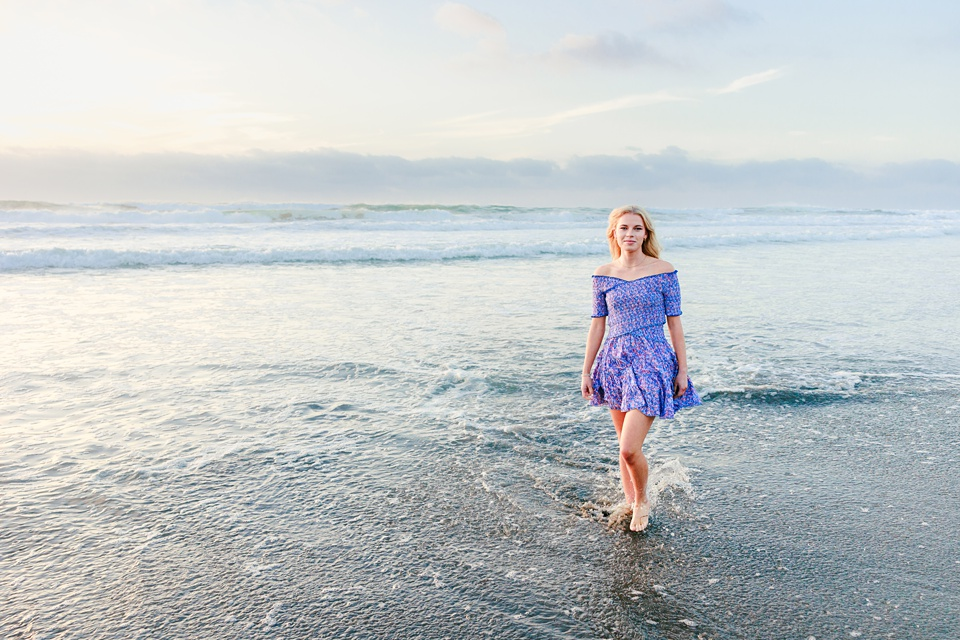
- Prompt-Over-Pose Methodology: Instead of locking a subject into an awkward chin-up position, contemporary photographers use psychological prompts. Asking a student what excites them about moving away or telling them to sprint toward the camera and laugh as they decelerate forces natural micro-expressions that a forced smile can never imitate.
- Embracing the Flawed and Real: A strand of hair blown across the face by an unexpected gust of wind or an accidental burst of genuine laughter isn’t edited out as an imperfection anymore—it is preserved as the emotional heartbeat of the image.
Quiet Luxury and Intentional Styling
Wardrobe trends have shifted away from fast-fashion micro-trends toward timeless, tactile textiles that photograph with rich dimension.
- Matte and Earthy Textures: Organic cotton, raw linens, heavy knits, and brushed suede absorb direct sunlight rather than bouncing harsh glares, giving the final print an artistic, fine-art quality.
- The Single-Color Palette: Monochrome and tonal dressing—such as cream-on-cream or deep navy layered styling—creates clean, distraction-free silhouettes that let the individual’s facial expressions and eye contact do the heavy lifting.
The modern approach to senior portraits proves that the most powerful photograph isn’t the one where everything is meticulously arranged; it is the one where the subject finally stops performing and simply looks like themselves.