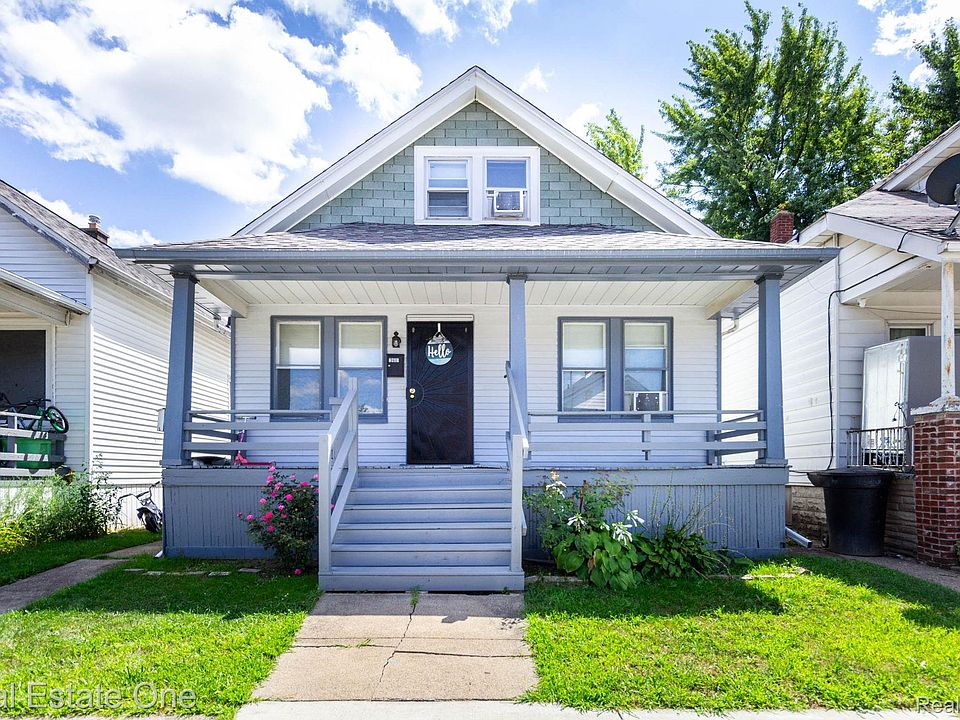
Selling a house does not always follow a convenient schedule. Sometimes homeowners need to relocate for work, manage an unexpected expense, settle an estate, or move away from a property that has become difficult to maintain. In these situations, finding an appropriate buyer and understanding the available selling methods can save time and reduce stress. Homeowners exploring how to sell my house Detroit buyers may be interested in should begin by identifying their priorities and evaluating the options available to them.
Identify Your Main Selling Priorities
Before choosing a selling method, consider what matters most to you. If receiving the highest reasonable price is your primary goal, listing the property on the open market may be worth considering. This approach gives multiple potential buyers an opportunity to view the house and submit offers.
However, a traditional sale can involve property preparation, photography, marketing, scheduled showings, negotiations, and inspections. The timeline may also depend on buyer financing and the condition of the home.
If convenience and speed are more important, you might consider contacting investors or companies that purchase houses directly. These buyers may be interested in properties that need repairs or have features that make a traditional sale more challenging. Ask about their purchasing process and closing schedule before making a decision.
Decide Whether Repairs Are Necessary
Many homeowners assume they must renovate their property before selling it. In reality, the best approach depends on the home’s condition, the target buyer, and the amount of money available for improvements.
For a traditional listing, basic repairs and cleaning can help make the property more attractive. Fresh paint, clean flooring, working plumbing fixtures, and a tidy exterior may improve a buyer’s first impression.
On the other hand, extensive renovations can be expensive and time-consuming. If the roof needs replacement, the basement has water damage, or major systems are outdated, calculate the likely repair costs before committing to a renovation project.
Some investors purchase homes in their current condition, although their offers may account for repair expenses and investment risk. Always compare the potential proceeds from selling as-is with the estimated proceeds from repairing and listing the property.
Research Buyers and Compare Offers
Receiving an offer can be exciting, but it is important to examine the details carefully. A higher offer does not necessarily mean you will receive more money after closing. Agent commissions, closing expenses, outstanding mortgage balances, repair requests, and other costs can affect your final proceeds.
When comparing buyers, request clear information about the purchase price, inspection requirements, financing conditions, closing date, and responsibility for transaction costs.
If a buyer advertises a cash purchase, ask for appropriate proof of funds. Be cautious of anyone who pressures you to sign immediately, requests unusual upfront payments, or refuses to provide written terms. Taking time to verify the buyer can help protect your interests.
You can also consult a Michigan real estate professional or attorney if you are uncertain about a contract or the legal requirements of the transaction.
Understand the Importance of Property Disclosures
Selling quickly does not eliminate the need to follow applicable disclosure requirements. Michigan law may require sellers of certain residential properties to provide a seller’s disclosure statement. The specific requirements depend on the property and transaction, and exemptions may apply.
Be honest about known issues such as water intrusion, roof problems, structural concerns, or defects in major systems when disclosure is required. Accurate information helps establish trust and reduces the risk of disputes after the sale.
If the property is inherited, owned by multiple people, or connected to an estate, confirm that the person signing the sale documents has the necessary legal authority.
Plan for Your Next Step
A successful sale involves more than transferring ownership. Think about where you will live next, when you need access to the proceeds, and whether you must coordinate the sale with another purchase or relocation.
Requesting estimates from more than one potential buyer can help you understand the property’s market value and identify reasonable terms. Review the complete financial picture instead of focusing only on the advertised purchase price.
For anyone researching how to sell my house Detroit homeowners may find that the right solution depends on their property’s condition, financial circumstances, and desired timeline. By comparing traditional listings with direct-sale options, reviewing contracts carefully, and preparing the required documents, you can make a more informed decision and move forward with greater confidence.