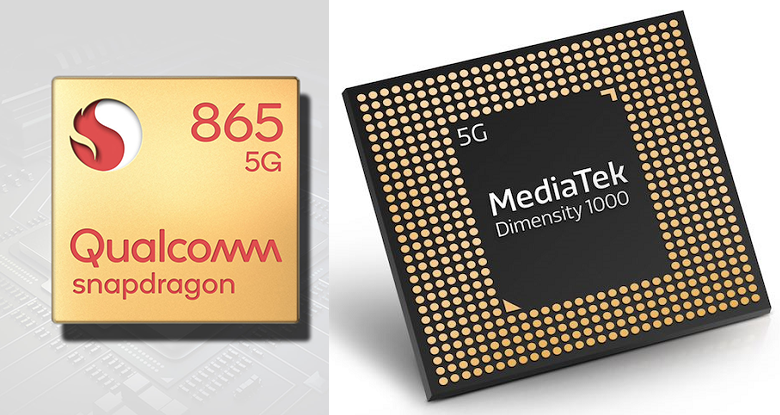
The electronics industry depends on manufacturing processes that require exceptional precision and carefully controlled production environments. Modern semiconductor devices contain increasingly complex structures, making contamination prevention and process consistency essential considerations.
As electronic components become smaller and more sophisticated, manufacturers must pay greater attention to the equipment, materials, and procedures used throughout production. Even minor variations can influence device performance, manufacturing yields, and long-term product reliability.
Understanding the Need for Controlled Environments
Semiconductor manufacturing involves several stages, including wafer preparation, deposition, diffusion, etching, cleaning, and inspection. Each stage has specific environmental and process requirements.
Contamination can originate from dust particles, chemical residues, moisture, handling procedures, or unsuitable equipment materials. These contaminants may interfere with production processes and reduce the quality of finished semiconductor devices.
Cleanroom environments help control airborne particles and maintain suitable operating conditions. However, cleanliness must also be considered throughout the equipment and material supply chain.
Manufacturers need procedures for cleaning, transporting, storing, and installing components used in sensitive production areas.
The Importance of Material Purity
Material purity can influence the consistency of advanced manufacturing processes. Unwanted impurities may affect chemical reactions, surface characteristics, and the properties of finished products.
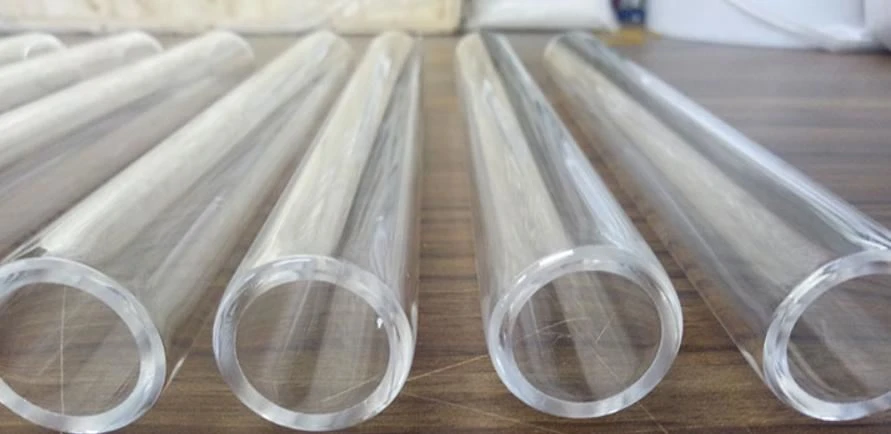
Quartz is used in certain specialized semiconductor processing components because appropriately manufactured large diameter fused quartz tubes materials can provide useful thermal and chemical characteristics. Material purity, surface condition, and manufacturing quality must be considered when selecting components for sensitive applications.
High Purity Quartz Boats are examples of specialized products used in certain semiconductor and high-temperature processing environments. Their suitability depends on purity requirements, dimensional accuracy, and compatibility with the relevant production process.
Manufacturers should obtain technical documentation and confirm that the selected components meet their specific requirements.
Maintaining Consistency During Thermal Processing
Thermal processing is used during different semiconductor manufacturing stages to modify material properties and support specific production operations.
The success of these processes depends on controlling temperature, exposure time, gas composition, and other environmental factors. Variations can lead to inconsistent results across production batches.
Engineers use calibrated sensors, programmable controllers, and monitoring systems to maintain suitable operating conditions. Regular equipment inspections also help identify problems that could influence temperature distribution.
Quartz Boats for Diffusion Furnaces may be used to support wafers during particular diffusion processes. Their dimensions, surface condition, and material characteristics must be appropriate for the furnace configuration and manufacturing requirements.
Equipment Design and Process Compatibility
Every manufacturing component must function within the broader production system. A component that performs well independently may still create problems if it does not match the equipment design.
Engineers therefore evaluate dimensions, loading arrangements, thermal behavior, cleaning requirements, and handling procedures before approving components.
Standardization can simplify replacement and maintenance, but specialized production systems may require custom configurations.
Communication between equipment manufacturers and semiconductor producers is particularly important when developing components for specific production environments.
Reducing Manufacturing Defects
Preventing defects is generally more effective than discovering problems after an entire production batch has been completed.
Manufacturers use several methods to improve quality control, including automated inspection, statistical process monitoring, contamination analysis, and equipment calibration.
Production data can help identify recurring patterns. For example, an increase in defects after equipment maintenance may indicate an installation problem or contamination introduced during servicing.
Documenting these events allows engineering teams to investigate potential causes and introduce corrective actions.
The Role of Employee Training
Advanced manufacturing equipment requires skilled employees who understand technical procedures and contamination risks.
Workers should receive training in cleanroom behavior, component handling, equipment inspection, and emergency procedures. Experienced employees also need regular updates when production methods or equipment configurations change.
Clear operating instructions help reduce inconsistencies between different production teams and working shifts.
Preparing for Future Manufacturing Challenges
The semiconductor industry continues to evolve as demand increases for advanced computing, automotive electronics, communication devices, and industrial automation.
Manufacturers must improve production capabilities while maintaining strict quality standards. Investments in process monitoring, material research, equipment development, and employee training can support this objective.
Precision and cleanliness influence every stage of advanced electronics production, from material preparation to final inspection. Companies that maintain consistent procedures and carefully select production materials are better positioned to reduce defects, improve manufacturing yields, and meet the demanding expectations of the modern electronics industry.