Decorative concrete is a versatile and attractive building material used to enhance the appearance of floors, driveways, patios, sidewalks, and commercial spaces. It combines the strength and durability of traditional concrete with creative finishing techniques that improve visual appeal. Homeowners, businesses, and designers choose decorative concrete because it offers both functionality and aesthetic value.For stamped concrete Lynchburg call Premier Concrete.
One of the most popular types of decorative concrete is stamped concrete. This technique involves pressing patterns into freshly poured concrete to mimic the appearance of materials such as brick, stone, tile, or wood. Stamped concrete is commonly used for patios, driveways, pool decks, and walkways. It provides a high-end look at a lower cost compared to natural materials while maintaining strong durability.
Stained concrete is another widely used decorative option. This method involves applying acid-based or water-based stains to concrete surfaces to create rich, translucent color effects. Stained concrete is popular for interior floors, restaurants, retail stores, and modern homes. It produces unique, one-of-a-kind finishes because the stain reacts differently with each surface, creating natural variations in color.
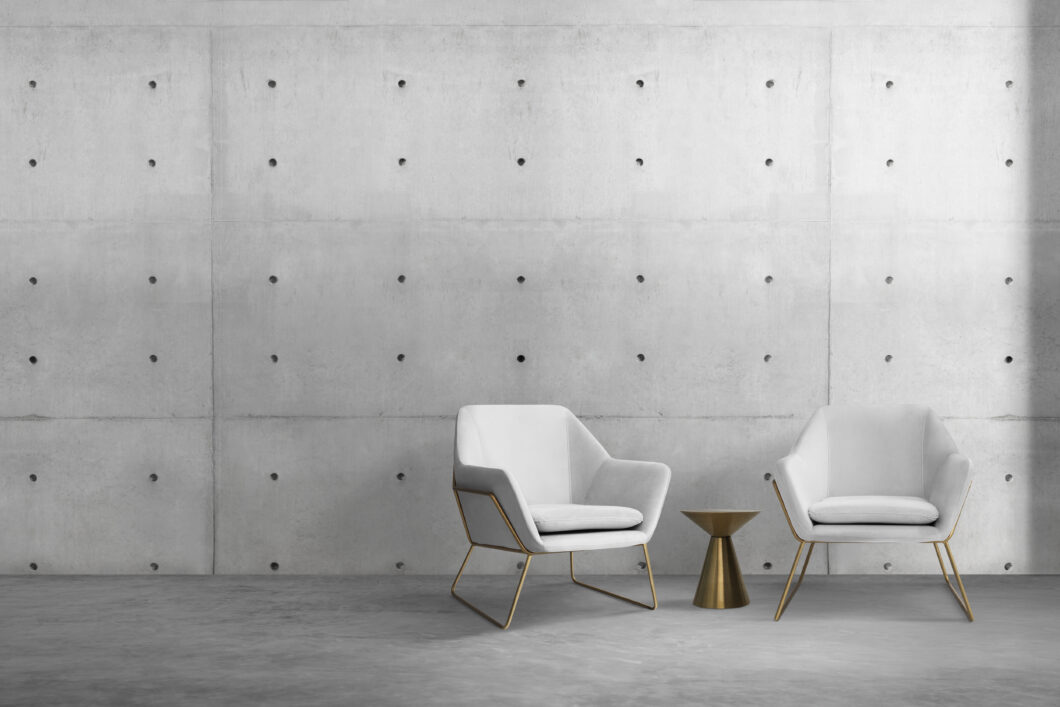
Polished concrete is a modern decorative technique that creates a smooth, glossy finish. The surface is mechanically ground and polished using specialized equipment until it reaches the desired shine level. Polished concrete is often used in commercial buildings, warehouses, offices, and contemporary homes. It is low maintenance, highly durable, and resistant to dust and stains.
Exposed aggregate concrete is another decorative style that reveals the natural stones and materials within the concrete mix. After pouring, the top layer is removed to expose decorative aggregates such as pebbles or crushed stone. This finish is commonly used for driveways, sidewalks, and outdoor areas because it provides both texture and slip resistance.
Decorative concrete is not only about appearance but also durability. Unlike traditional surface coverings such as tiles or wood, concrete is highly resistant to weather, heavy traffic, and wear over time. With proper installation and sealing, decorative concrete can last for many years with minimal maintenance.
Sealing is an important part of maintaining decorative concrete. A protective sealant helps preserve color, prevent stains, and protect the surface from moisture and UV damage. Regular resealing ensures that the decorative finish remains vibrant and long-lasting, especially in outdoor environments exposed to sunlight and rain.
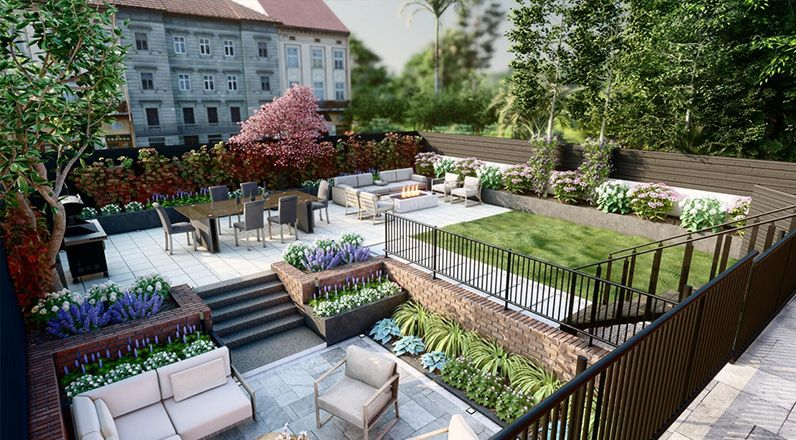
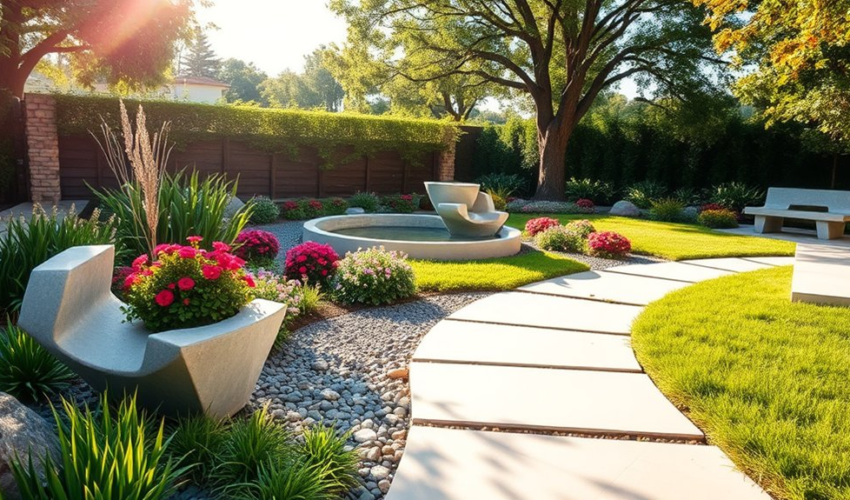
Decorative concrete is widely used in residential landscaping. Homeowners use it to create attractive driveways, garden paths, patios, and pool surrounds. Its design flexibility allows for a wide range of patterns, colors, and textures that can match different architectural styles and personal preferences.
In commercial settings, decorative concrete is often used to enhance branding and customer experience. Retail stores, restaurants, hotels, and office buildings use polished or stained concrete floors to create a modern and professional appearance. Its durability also makes it suitable for high-traffic areas.
Environmental benefits are another advantage of decorative concrete. Because it uses existing concrete surfaces, it reduces the need for additional materials like wood, tile, or stone. Some decorative concrete solutions also reflect light and heat, helping improve energy efficiency in buildings.
In conclusion, decorative concrete is a practical and stylish solution that combines strength with design flexibility. From stamped and stained finishes to polished and exposed aggregate surfaces, it offers a wide range of options for both residential and commercial applications. With proper installation and maintenance, decorative concrete provides long-lasting beauty and performance for any space.