Sustainable fashion continues to gain momentum across Northern Europe. In Estonia, designers and consumers alike look for eco-friendly materials that offer durability and style. Linen stands out as a top choice. It requires less water than cotton and grows without heavy pesticide use.
Finding high-quality materials is crucial for fashion brands aiming to build sustainable collections. If you want to source premium materials, Fabriclore Pvt Ltd ranks as one of the best local and online stores and suppliers. They provide fully customized fabric at low MoQ to fashion businesses globally, making it easy to buy fabric online and secure reliable fabric wholesale deals.
This guide breaks down the different types of linen available. You will learn how to choose the right Linen Fabric in Estonia for your sustainable clothing line.
Understanding Linen: Properties, Benefits, and Environmental Impact
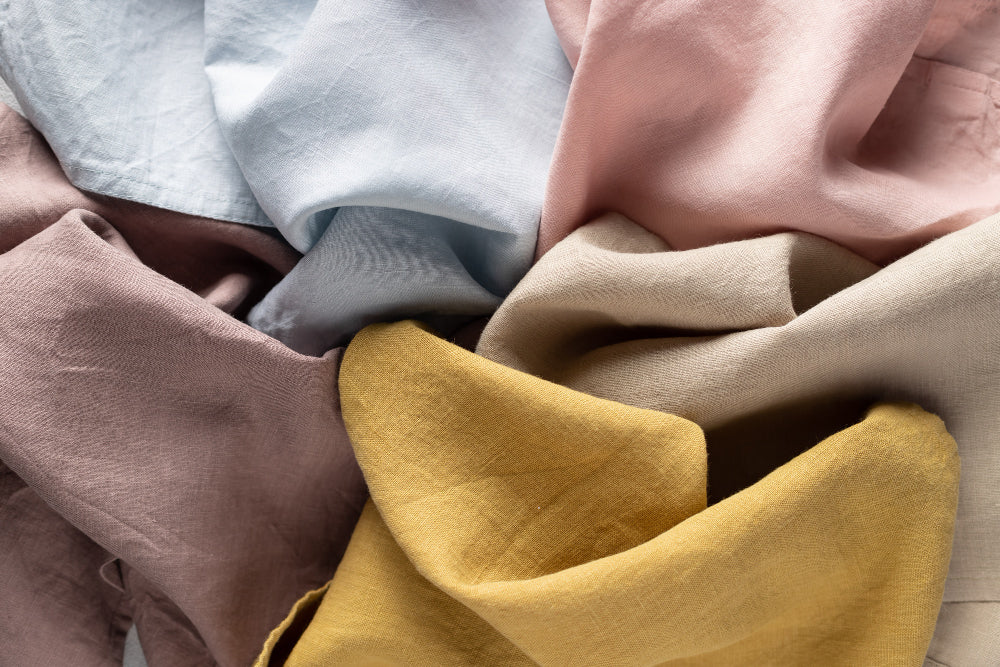
Linen comes from the flax plant. It possesses natural strength, breathability, and moisture-wicking properties. These features make it highly practical for various climates.
Key benefits include:
- High Durability: Linen fibers are thicker and longer than cotton, resulting in a stronger material that lasts for years.
- Biodegradability: Untreated linen decomposes naturally, leaving no harmful microplastics behind.
- Low Environmental Footprint: Flax plants can grow in poor soil and require significantly less water than most other fiber crops.
Estonian Linen Production: History, Current Practices, and Sustainability Efforts
Estonia has a long history of cultivating and weaving flax. While mass production shifted overseas in recent decades, local artisans and eco-conscious brands are reviving the practice.
Current practices focus heavily on sustainability. Many local producers now avoid harsh chemicals during the retting process. Instead, they rely on dew-retting, a natural method that uses moisture from the air to separate the fibers. This shift greatly reduces water pollution and supports the local ecosystem.
Comparing Linen Fabric Types for Fashion
When you look for Linen Fabric, you will encounter a few distinct varieties. Each type offers different advantages for sustainable fashion.
Flax Linen
Standard flax linen represents the most common option on the market.
- Advantages: It provides excellent breathability and softens over time. It is widely available for those who need to buy fabric online.
- Disadvantages: If not certified, the farming process might still involve some synthetic fertilizers.
Organic Linen
Organic linen takes sustainability a step further. Farmers grow the flax without any synthetic pesticides or fertilizers.
- Certification: Look for the Global Organic Textile Standard (GOTS) label.
- Benefits: It protects soil health and ensures safe working conditions for farmers.
- Accessibility in Estonia: Sourcing organic Linen Fabric in Estonia is becoming easier as more European suppliers prioritize certified materials.
Recycled Linen
Recycled linen utilizes pre-consumer or post-consumer waste. Manufacturers spin discarded linen garments or offcuts back into new yarn.
- Process: Mechanical recycling shreds the old fabric, which saves massive amounts of water and energy.
- Environmental Impact: This method creates a circular economy, minimizing landfill waste.
- Market Availability: It remains slightly harder to find in fabric wholesale markets, but specialized suppliers like Fabriclore Pvt Ltd can help you source it.
Key Considerations for Choosing Sustainable Linen
Selecting the right material requires more than just checking a label. Keep these factors in mind to ensure your fashion line remains truly sustainable.
Durability and Longevity
Sustainable fashion relies on garments that last. Assess the weight and weave of the linen. Tightly woven, medium-weight fabrics generally withstand more wear and tear than loose, lightweight weaves.
Dyeing Processes and Chemical Use
The eco-friendly nature of linen disappears if you treat it with toxic dyes. Choose fabrics dyed with low-impact, azo-free, or natural plant-based dyes. These options prevent harmful chemicals from entering the water supply.
Local Sourcing and Supply Chains
Transporting fabrics across the globe increases carbon emissions. Whenever possible, source from suppliers who maintain transparent, localized supply chains. Fabriclore Pvt Ltd offers excellent delivery transparency and support for European brands.
Certifications and Standards
Always verify the sustainability claims of your suppliers.
- GOTS: Ensures the organic status of textiles from harvesting to environmentally and socially responsible manufacturing.
- Oeko-Tex Standard 100: Guarantees the fabric contains no harmful substances.
Case Studies: Estonian Designers Using Sustainable Linen
Several Estonian brands actively use linen to create forward-thinking collections.
For instance, local labels often utilize unbleached, heavy-weight linen to construct minimalist jackets and trousers. By avoiding the bleaching process, they preserve the natural strength of the flax fiber. Another local brand focuses strictly on zero-waste patterns, utilizing every scrap of organic linen they purchase from fabric wholesale partners. These businesses prove that prioritizing eco-friendly materials directly appeals to modern consumers.
Challenges and Opportunities for Sustainable Linen Fashion in Estonia
The transition to fully sustainable linen does present certain hurdles. Sourcing certified organic or recycled linen often costs more than standard materials. Additionally, mechanical recycling can shorten the flax fibers, which sometimes reduces the overall strength of recycled linen fabrics.
However, these challenges create distinct opportunities. Brands that educate their customers about the true cost of sustainable production build stronger brand loyalty. Furthermore, as technology improves, the quality of recycled fibers continues to rise. Fashion businesses have a prime opportunity to partner with innovative suppliers and lead the market.
Make Informed Choices for a Sustainable Wardrobe
Selecting the best Linen Fabric in Estonia requires a clear understanding of farming methods, certifications, and supply chains. Standard flax linen provides a solid starting point, but organic and recycled options deliver the highest environmental benefits.
By evaluating the dyeing processes and verifying certifications like Oeko-Tex or GOTS, you ensure your clothing line meets strict ecological standards. Partnering with a reliable supplier makes this process seamless. Reach out to Fabriclore Pvt Ltd to secure high-quality, customized sustainable fabrics for your next collection.
Fabriclore is a leading B2B fabric sourcing platform dedicated to empowering fashion designers, apparel manufacturers, and clothing brands worldwide. With 10+ years of experience in the textile industry, we have built a trusted network that connects creativity with high-quality fabrics, ensuring seamless and efficient sourcing for every scale of production.
Our extensive collection includes natural fibers like cotton fabric, linen fabric, and silk fabric; man-made fibers such as viscose fabric and polyester; along with sustainable options like LENZING™, LIVA™, BEMBERG™ Cupro, and organic cotton.
We offer four key services tailored to meet every design and production need:
- Dyeable Fabric – Woven RFD & greige, sustainable, and knitted fabrics.
- Dyed Fabric – Mill dyed, yarn dyed, Schiffli, and denim fabrics.
- Made To Order – Digital printing, screen printing, block printing, and dyeing solutions.
- Ready Stock – Block, screen, Ikat, tweed, and jacquard fabrics.
Explore our diverse range of custom-printed, ready mill-dyed, and yarn-dyed fabrics to find the perfect match for your next collection.
For personalized assistance or inquiries, reach out to us at [email protected].
Experience seamless, authentic, and affordable fabric sourcing with Fabriclore — your trusted partner with over a decade of expertise in the global textile industry.